

War Machine 2026: The Red Flags Behind the Global Military Technology Race
The modern battlefield is changing faster than at any point in modern history.
Artificial intelligence is now guiding drones. Autonomous weapons can select targets without direct human intervention. Cyber warfare can disrupt entire national infrastructures without a single missile being launched.
By 2026, analysts believe the global military system is entering a new phase — what some experts are quietly calling the next “War Machine Era.”
But while governments present this transformation as necessary modernization, a deeper question is emerging:
Are nations preparing for defense… or quietly accelerating toward a new global arms race?
Understanding the emerging war machine of 2026 requires examining the intersection of technology, geopolitics, and economic incentives that are driving military innovation worldwide.
The New Military Technology Race
Defense spending across the world has increased dramatically over the past decade.
Major powers are investing billions into next-generation technologies including:
• Artificial intelligence combat systems
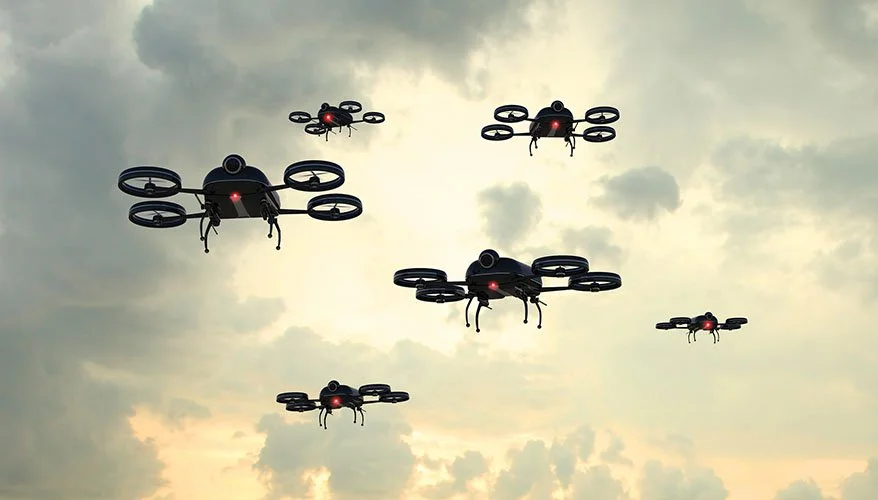
• Autonomous drone fleets
• Hypersonic missiles
• Cyber warfare infrastructure
• Space-based defense platforms
These systems are designed to give nations strategic advantages in future conflicts.
Yet military analysts increasingly warn that the speed of this technological race may be outpacing international regulation.
The result is a rapidly evolving global defense ecosystem where innovation is often driven by competition rather than long-term stability.
AI Warfare: The Strategic Turning Point
One of the most transformative developments in modern defense technology is the integration of artificial intelligence into military systems.
AI now assists in:
• battlefield data analysis
• drone navigation
• target identification
• logistics optimization
• predictive threat modeling
Supporters argue these technologies improve precision and reduce casualties.
However, critics warn about the risks of autonomous lethal decision-making.
If machines can identify and engage targets independently, questions emerge about accountability, ethics, and control.
This development represents one of the most significant red flags in modern defense strategy.
Autonomous Drones and Swarm Warfare
Another major shift in military capability is the rise of drone swarm technology.
Unlike traditional military aircraft, drone swarms can consist of hundreds or thousands of small autonomous units operating together.
These systems are capable of:
• overwhelming air defenses
• conducting surveillance over large areas
• performing coordinated attacks
• disrupting communication systems
Drone warfare has already proven influential in recent conflicts.
But swarm technology could dramatically amplify its impact.
Future wars may involve thousands of autonomous aerial units operating simultaneously.
The Economic Engine Behind the War Machine
Military technology development is not driven solely by security concerns.
It is also fueled by a powerful economic ecosystem.
The global defense industry is worth trillions of dollars, and major corporations compete aggressively for government contracts.
This creates a feedback loop:
-
Governments increase defense budgets
-
Defense companies develop new technologies
-
Military planners integrate new systems
-
Rival nations respond with their own innovations
Over time, this cycle can accelerate the pace of military escalation.
Understanding this dynamic is essential when examining the long-term stability of global security systems.
Strategic Red Flags Emerging in 2026
Several warning signals are becoming increasingly visible.
1. Autonomous Weapons Without Global Regulation
There is currently no universally enforced international treaty regulating autonomous lethal weapons.
As a result, nations are developing these systems independently.
2. Cyber Warfare Escalation
Modern conflicts increasingly involve cyber attacks targeting infrastructure such as power grids, financial systems, and communication networks.
These attacks can destabilize entire economies without conventional military engagement.
3. AI Decision-Making in Combat
Allowing algorithms to influence battlefield decisions introduces unpredictable risks.
Software errors, misidentification, or manipulation could trigger unintended escalation.
4. Space Militarization
Satellites are becoming critical military assets.
However, anti-satellite weapons are also being developed, raising concerns about conflict extending beyond Earth.
Global Impact Analysis
The emerging war machine has implications far beyond military strategy.
It affects:
• global economic stability
• diplomatic relations
• technological innovation
• civilian infrastructure security
When defense technologies advance rapidly, the consequences often ripple across other sectors.
For example, geopolitical tensions linked to military competition can directly affect financial markets.
Our analysis of geopolitical risk highlights how military tensions influence global economic systems:
https://www.redflaginsiders.com/could-the-us-iran-crisis-trigger-a-global-economic-shock
Similarly, political power transitions in strategic regions can alter military alliances and defense strategies:
https://www.redflaginsiders.com/khamenei-crisis-irans-dangerous-power-transition
These interconnected risks demonstrate how military innovation cannot be analyzed in isolation.
The Strategic Future of Warfare
Experts believe the next decade will redefine warfare in several ways.
Hybrid Warfare
Future conflicts will likely combine:
• cyber attacks
• economic pressure
• digital propaganda
• limited military engagement
AI Command Systems
Artificial intelligence may eventually assist military commanders by analyzing battlefield scenarios and recommending strategies.
Robotics Integration
Robotic systems could increasingly replace human soldiers in high-risk combat roles.
Data Dominance
Control of data networks may become as important as traditional military power.
Constructive Solutions
While the technological race continues, several initiatives could help mitigate long-term risks.
International Regulation
Global agreements on autonomous weapons could establish clear boundaries for military AI use.
Cyber Defense Cooperation
Nations may need cooperative frameworks to prevent cyber warfare from escalating into full-scale conflict.
Transparency in Defense Innovation
Greater transparency in military technology development could reduce misunderstandings between rival powers.
Ethical AI Standards
Developing international ethical guidelines for military AI systems may become increasingly important.
Quote
“The most dangerous weapons of the future may not be missiles or tanks — but algorithms capable of making life-and-death decisions.”
RedFlagInsiders Articles
https://www.redflaginsiders.com/khamenei-crisis-iran-s-dangerous-power-transition
➡️ https://www.redflaginsiders.com/how-financial-markets-are-pricing-the-u-s-iran-conflict-risk
More investigations and insights are available :
➡️ https://www.redflaginsiders.com/
AI Military Drone Systems
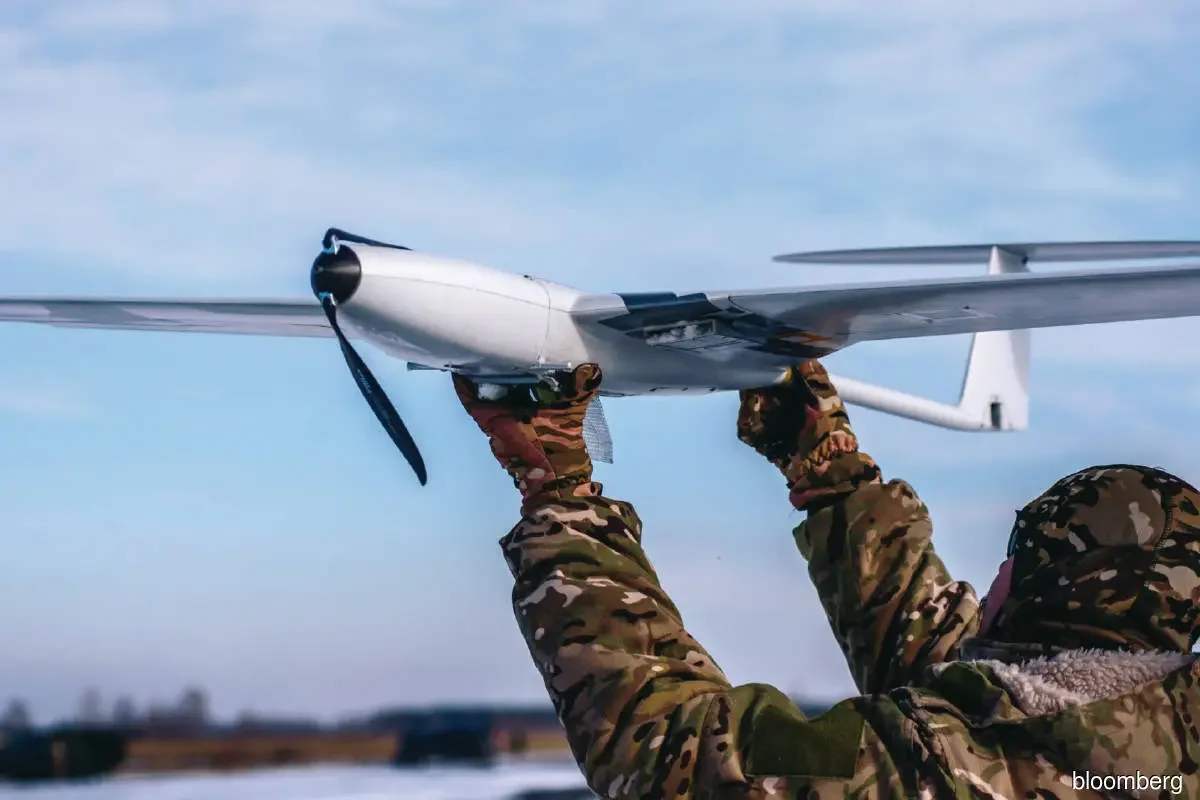
Next-Generation Military Technology
Community
Do you believe autonomous military systems will make global security safer or more dangerous?
• Safer through precision technology
• More dangerous due to automation risks
• Too early to know
Strategic Red Flag: The AI Arms Acceleration Loop
One of the most overlooked dangers of the emerging war machine is the AI acceleration loop developing between major military powers. When one nation deploys a new autonomous system, rival states immediately begin developing counter-technologies or more advanced versions. This reaction cycle creates a technological escalation spiral where innovation moves faster than diplomacy. In traditional arms races, treaties and verification systems eventually emerged to slow escalation. But in the world of artificial intelligence warfare, technological breakthroughs can occur inside private laboratories or classified defense programs with little international oversight. The red flag here is clear: when innovation outruns governance, strategic instability becomes inevitable.
Digital Battlefield: The Invisible War
Another critical dimension of the 2026 war machine is the rapid expansion of the digital battlefield. Modern conflicts are no longer limited to physical terrain. Today, financial systems, satellite networks, communication infrastructure, and energy grids have all become strategic targets. Cyber operations can disrupt entire societies without firing a single missile. Experts increasingly warn that the next major geopolitical crisis may begin not with tanks crossing borders, but with silent attacks on data systems that power modern economies. This shift represents a fundamental transformation in warfare. In the age of digital conflict, the most powerful weapon may not be a bomb or a drone—it may be a line of malicious code capable of destabilizing nations within seconds.
Empowering Conclusion
The war machine of 2026 is not defined by tanks or missiles alone.
It is defined by algorithms, data networks, and autonomous systems capable of transforming the nature of conflict itself.
As governments race to secure technological advantages, the world faces a critical strategic choice:
Will military innovation be guided by cooperation and regulation…
or by competition and escalation?
The answer may shape global stability for decades to come.
Commentaires
Laisser un commentaire