
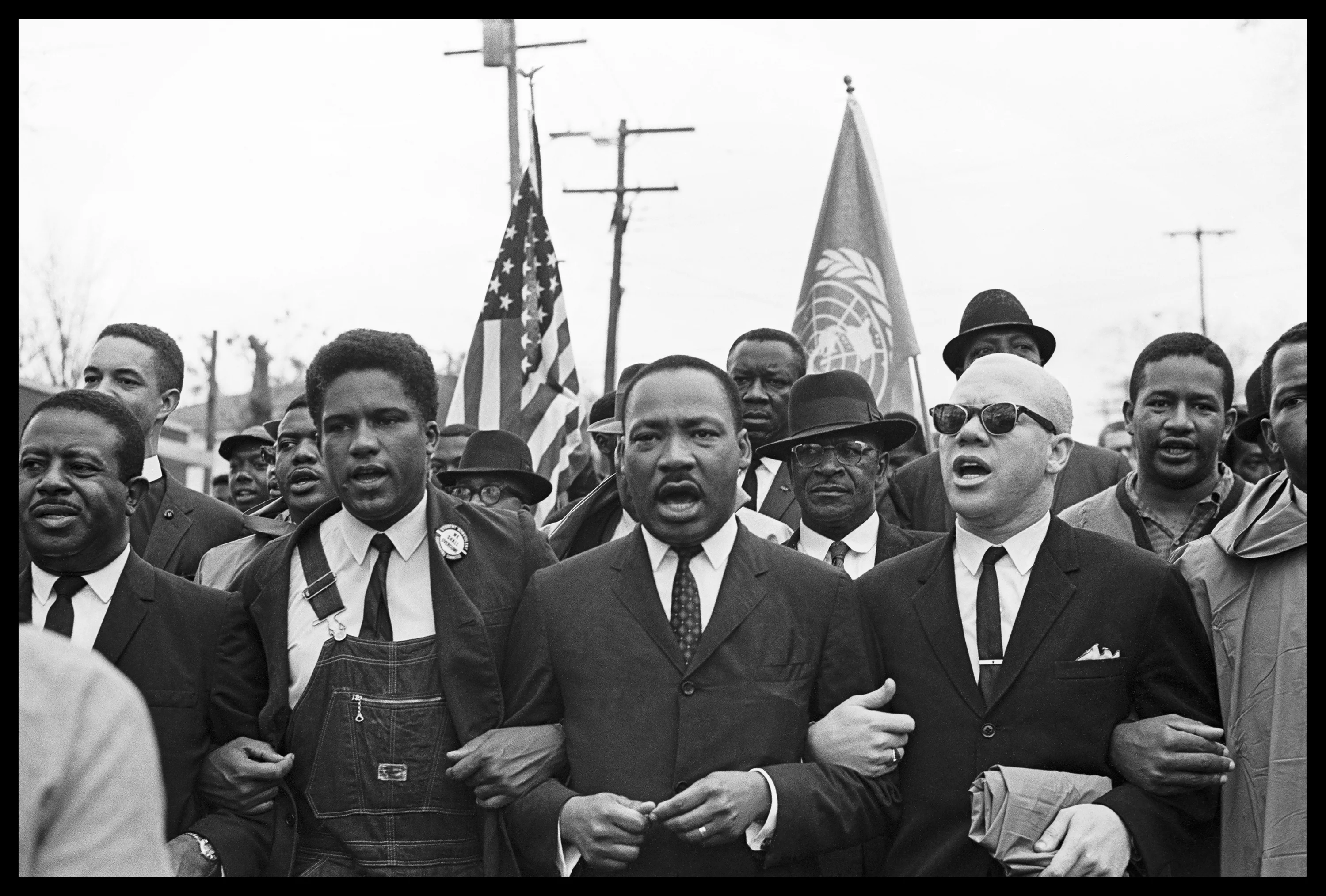
Few leaders have shaped modern American civil rights politics as profoundly as Rev. Jesse Jackson.
For decades, Jackson stood at the center of some of the most defining political and social moments in the United States. He marched alongside Dr. Martin Luther King Jr., negotiated with foreign governments, ran historic presidential campaigns, and built political coalitions that changed how American elections were fought.
But today, a deeper conversation is emerging.
As the legendary civil rights leader approaches the later stages of his life and career, observers across politics, activism, and academia are asking a fundamental question:
What happens when movements built around powerful figures must transition into the future?
This question is not just about Jesse Jackson.
It is about how institutions survive leadership transitions, how influence evolves across generations, and how social movements adapt in a rapidly changing world.
At RedFlagInsiders, examining these structural transitions is essential because leadership changes often reveal hidden vulnerabilities inside powerful systems.
And history shows that every movement eventually reaches a turning point.
Historical Background
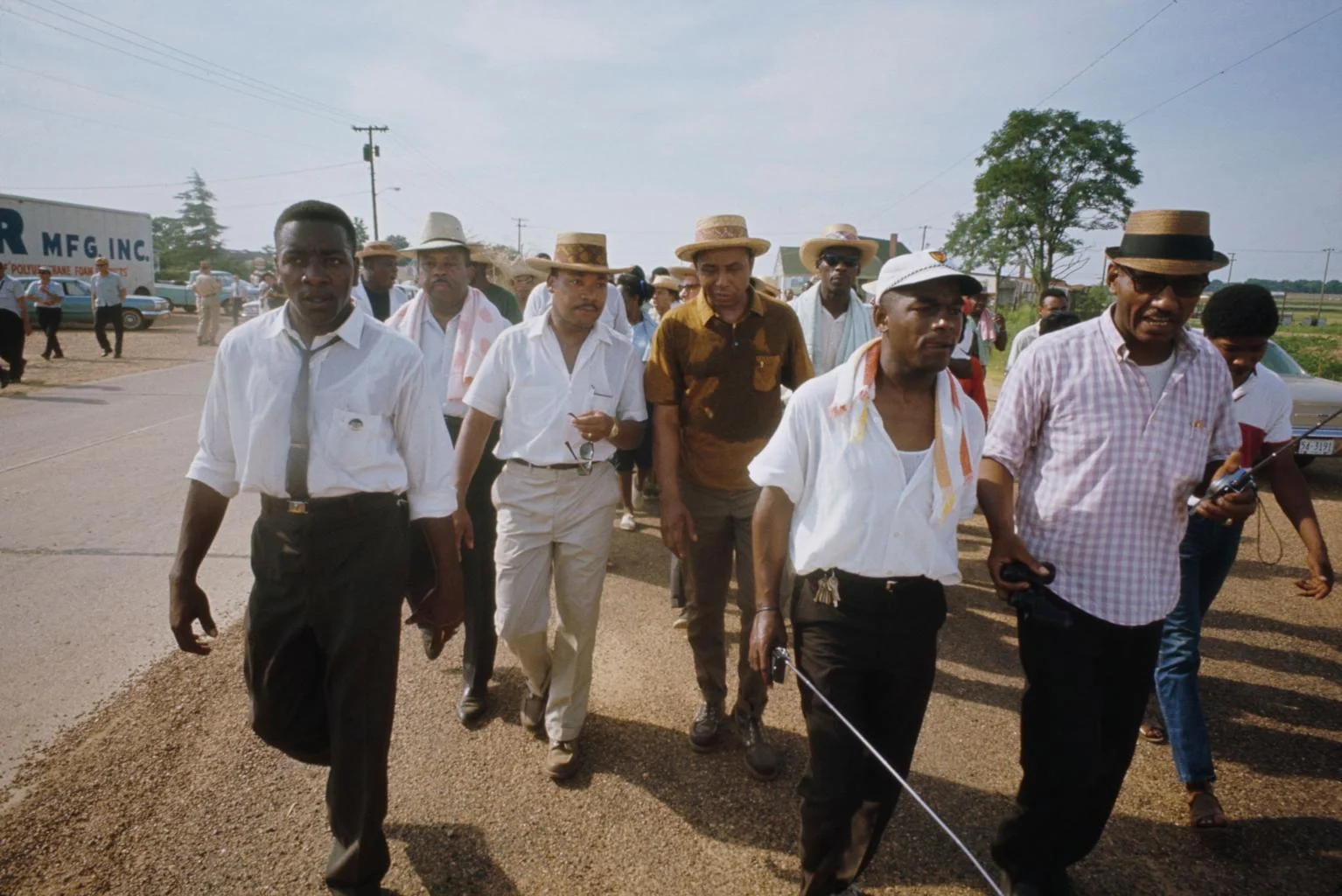
To understand Jesse Jackson’s impact, we must first revisit the turbulent period that shaped his rise.
The 1960s were one of the most transformative decades in American history.
Civil rights protests, economic inequality, racial tensions, and political upheaval dominated national headlines. During this period, Jackson emerged as a young activist closely associated with Dr. Martin Luther King Jr. and the Southern Christian Leadership Conference (SCLC).
Jackson quickly became known for his powerful speaking style and his ability to mobilize communities.
After King’s assassination in 1968, the civil rights movement entered a difficult phase.
Without its most iconic leader, activists faced an uncertain future.
Some organizations fragmented.
Others struggled to maintain momentum.
Jackson responded by building his own network of influence.
In 1971, he founded Operation PUSH (People United to Save Humanity) in Chicago. The organization focused on economic empowerment, job creation, and political participation.
Later, Operation PUSH merged with another advocacy initiative to form the Rainbow PUSH Coalition, which became one of the most influential civil rights organizations in the United States.
Jackson’s philosophy was simple but powerful:
Political power must be built through broad coalitions.
This strategy became known as the Rainbow Coalition—a concept that united diverse communities across racial, economic, and social lines.
The idea would later become a blueprint for modern political campaigns.
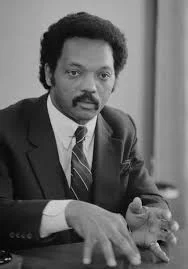 Jesse Jackson and the Transformation of Presidential Politics
One of Jackson’s most significant contributions came through his presidential campaigns.
In 1984, Jackson launched his first bid for the Democratic nomination.
At the time, many analysts believed his campaign was symbolic rather than competitive.
They were wrong.
Jackson mobilized millions of voters and dramatically expanded political participation among minority communities.
Four years later, in 1988, Jackson ran again.
This time, his campaign achieved historic results.
Jackson won:
-
13 Democratic primaries and caucuses
-
nearly 7 million votes
-
millions of new registered voters
His campaign became one of the most successful insurgent campaigns in modern American politics.
Perhaps more importantly, Jackson introduced a coalition strategy that reshaped the Democratic Party.
His campaign united:
-
African American voters
-
progressive activists
-
labor unions
-
young voters
-
minority communities
This coalition model later influenced multiple presidential campaigns.
Many historians argue that the coalition strategy Jackson pioneered laid the groundwork for Barack Obama’s historic 2008 presidential victory.
Institutional Power and the Architecture of Influence
Beyond electoral politics, Jackson built an institutional framework that extended far beyond elections.
Through the Rainbow PUSH Coalition and other initiatives, Jackson developed influence across several sectors.
These included:
• political advocacy
• corporate diversity negotiations
• economic justice campaigns
• international diplomacy
• community organizing
Jackson frequently pressured major corporations to expand diversity programs and invest in minority communities.
He also participated in diplomatic missions abroad, negotiating the release of hostages and advocating for human rights.
This combination of activism and diplomacy gave Jackson a unique global profile.
Few civil rights leaders operated at such a broad intersection of politics, economics, and international relations.
Red Flag Signals: Structural Risks Facing Legacy Movements
While Jesse Jackson’s accomplishments remain widely respected, analysts are increasingly focusing on structural challenges that affect long-standing organizations.
These challenges represent potential institutional red flags.
1. Leadership Succession Challenges
Movements that revolve around charismatic leaders often struggle when those leaders step back.
Without a clear succession plan, organizations may lose cohesion.
Leadership transitions are particularly complex when founders maintain strong personal influence over strategy and decision-making.
2. Institutional Dependence on Historical Identity
Organizations built around historical legacy sometimes struggle to adapt to new political realities.
While legacy provides credibility, it can also create resistance to structural change.
This tension between tradition and modernization is common across advocacy institutions.
3. Fragmentation of Activism
The modern activism landscape is dramatically different from the 1960s and 1980s.
Today’s movements often operate through decentralized digital networks.
Social media, online campaigns, and grassroots digital organizing have reshaped political mobilization.
Traditional organizations must adapt to remain relevant.
4. Generational Leadership Gaps
Another challenge facing legacy movements is generational transition.
Younger activists often prioritize different strategies, including:
• digital organizing
• climate justice
• economic inequality
• technology regulation
Bridging the gap between historical movements and emerging issues requires strategic adaptation.
Global Impact Analysis
Jesse Jackson’s influence extended far beyond the United States.
Throughout his career, Jackson participated in international diplomatic efforts and human rights campaigns.
His global initiatives included negotiations in:
• Cuba
• Syria
• Kosovo
• Venezuela
• Africa
Jackson often framed civil rights as part of a broader global struggle for human dignity.
His work influenced activists across multiple continents.
Today, many global social movements still reference strategies developed during the American civil rights era.
Coalition building, grassroots mobilization, and moral leadership remain central to modern activism.
Strategic Insights
From an analytical perspective, the evolution of Jesse Jackson’s legacy provides several insights into how movements evolve.
Insight 1: Movements Eventually Become Institutions
What begins as grassroots activism eventually becomes organizational infrastructure.
This transition introduces bureaucratic complexity, governance challenges, and strategic debates.
Insight 2: Leadership Models Are Changing
Modern activism increasingly favors distributed leadership rather than centralized figures.
Digital networks allow movements to operate without a single spokesperson.
Insight 3: Political Influence Now Operates Through Multiple Channels
In Jackson’s early career, influence flowed primarily through traditional media and public speeches.
Today, influence spreads through:
• social media
• podcasts
• online communities
• independent media platforms
These changes require organizations to rethink communication strategies.
Data and Evidence Section
Jackson’s political campaigns and advocacy initiatives generated measurable impacts.
Historical data shows:
• millions of new voter registrations during his campaigns
• expanded minority participation in national elections
• increased corporate diversity commitments
The Rainbow Coalition strategy also influenced later political campaigns that emphasized multiracial voter coalitions.
Political scientists frequently cite Jackson’s 1988 campaign as a turning point in American electoral politics.
Internal RedFlagInsiders Insights
Leadership transitions often reveal deeper systemic shifts.
These dynamics are not limited to civil rights movements.
For example, political power transitions are also shaping global geopolitics.
Readers interested in leadership instability can explore:
They are written to fit naturally with your existing article on
https://www.redflaginsiders.com/jesse-jackson-and-the-architecture-of-influence-coalition-power-political-risk-and-the-strategic-future-of-american-activism
The Next Chapter of Civil Rights Leadership
The future of the civil rights movement will depend on how organizations navigate the coming leadership transition.
Several scenarios are possible.
Scenario 1: Institutional Renewal
Organizations modernize their structures and integrate younger leadership.
This scenario allows legacy institutions to remain influential.
Scenario 2: Fragmented Activism
New movements emerge independently, reducing the influence of older institutions.
This could lead to a more decentralized activism landscape.
Scenario 3: Hybrid Leadership Networks
Legacy organizations collaborate with digital activist groups and emerging leaders.
This hybrid model may represent the most sustainable path forward.
Constructive Solutions
Experts recommend several strategies to strengthen civil rights institutions in the coming decades.
These include:
• establishing transparent leadership succession plans
• investing in youth leadership training
• expanding digital communication strategies
• strengthening community partnerships
• improving governance transparency
These steps can help legacy movements remain effective while adapting to modern challenges.
Quote
“Legacy movements must evolve into systems that empower future generations—or risk fading into history.”
Do modern social movements still need iconic leaders like Jesse Jackson?
• Yes, strong leaders are essential
• No, movements should be decentralized
• A hybrid leadership model is best
Empowering Conclusion
Rev. Jesse Jackson’s story is ultimately a story about power, perseverance, and transformation.
From civil rights marches to presidential campaigns, his influence reshaped American political history.
But history teaches an important lesson.
Every movement eventually reaches a moment where leadership must evolve.
The true measure of Jackson’s legacy will not only be the victories he achieved—but whether the institutions and coalitions he built can adapt to the challenges of a new generation.
Because the future of social justice movements depends not only on honoring history—
but on building the next chapter.
Commentaires
Laisser un commentaire