Scoring titles. Viral highlights. Signature shoes. Billion-dollar media deals.
The players who dominate headlines are usually offensive superstars — athletes who score 30 points per night and command global marketing attention.
But championships are rarely won by offense alone.
Behind every elite contender lies a structural foundation: defense, leadership, and culture.
And in the center of that conversation stands Bam Adebayo.
Not the loudest star.
Not the league’s leading scorer.
But arguably one of the most strategically valuable players in the modern NBA.
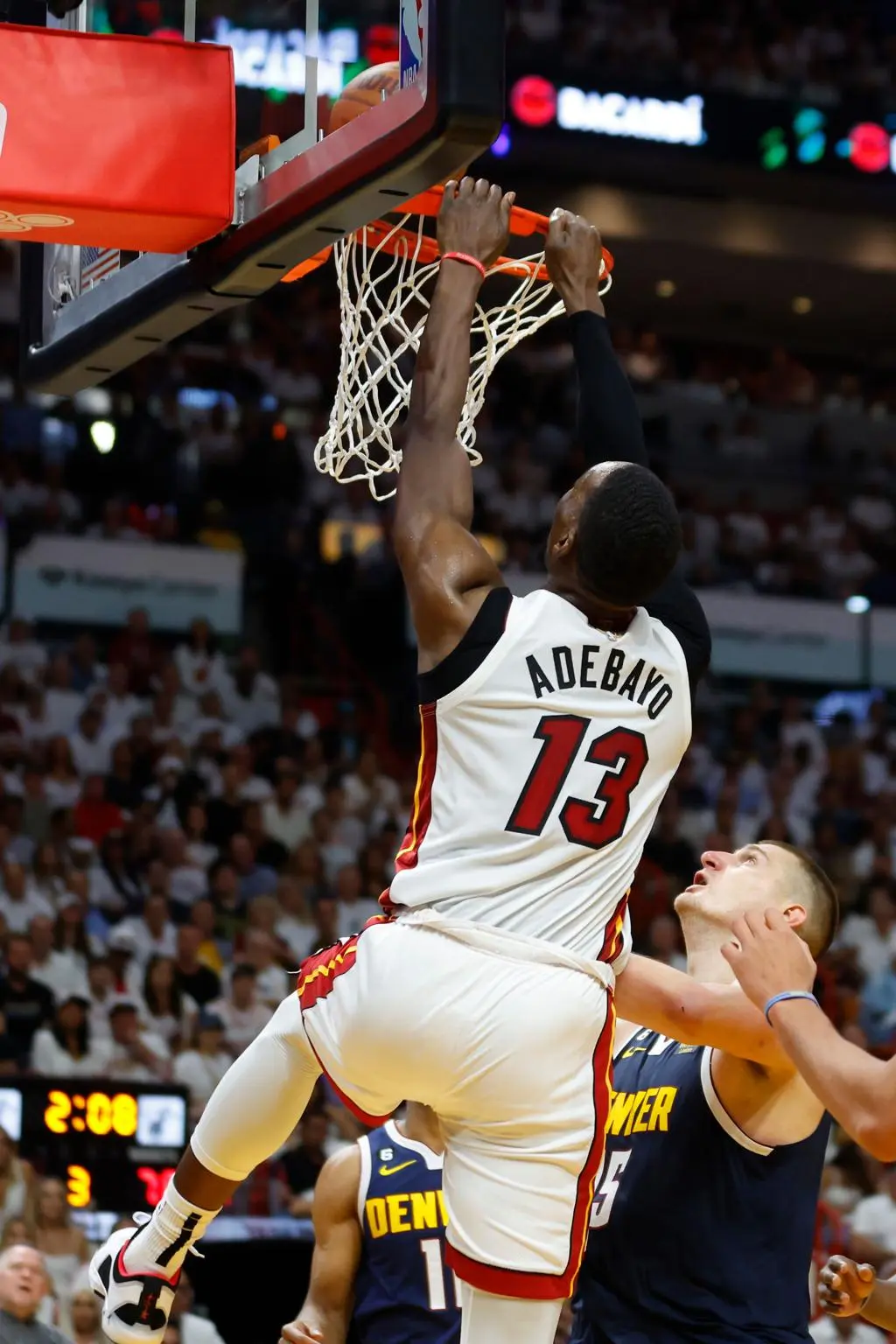
Adebayo represents a rare archetype: the defensive anchor who simultaneously functions as a playmaker, cultural stabilizer, and franchise cornerstone.
His rise from a relatively overlooked draft pick to a multiple-time All-Star and Olympic champion reveals something deeper about professional basketball today.
The league is evolving.
And players like Adebayo may represent the blueprint for the next era of championship construction.
But beneath that success lies an important investigative question:
Are defensive superstars undervalued in the modern NBA economy — and what risks come with building around them?
Background
To understand Bam Adebayo’s influence, one must start far from NBA arenas.
He was born in Newark, New Jersey, before moving to North Carolina where his mother raised him under difficult financial circumstances.
Basketball was not simply a passion.
It was a pathway.
By high school, Adebayo had already developed a reputation as a physically dominant athlete with unusual defensive instincts. Yet despite his potential, analysts still viewed him primarily as a traditional big man prospect.
That perception changed at the University of Kentucky.
Under the leadership of legendary coach John Calipari, Adebayo spent one season developing the discipline and conditioning that would later define his professional career.
He displayed flashes of something rare:
A center capable of guarding multiple positions.
When the 2017 NBA Draft arrived, the Miami Heat selected him with the 14th overall pick.
At the time, the selection generated modest attention.
But inside the Miami organization, leadership saw something deeper.
The Heat franchise has long been guided by the philosophy of team president Pat Riley and head coach Erik Spoelstra.
Their system — often referred to as “Heat Culture” — values conditioning, accountability, and relentless defensive effort.
Adebayo fit that identity perfectly.
TRUTH Breakdown
Understanding Adebayo’s true value requires examining three structural dimensions of his career:
-
Defensive architecture
-
Leadership and culture
-
Strategic franchise economics
Each reveals a deeper layer of the modern NBA ecosystem.
Defensive Architecture
Defense is the most misunderstood skill in basketball.
Unlike scoring, it does not always appear in highlight reels.
But its strategic impact can determine entire playoff series.
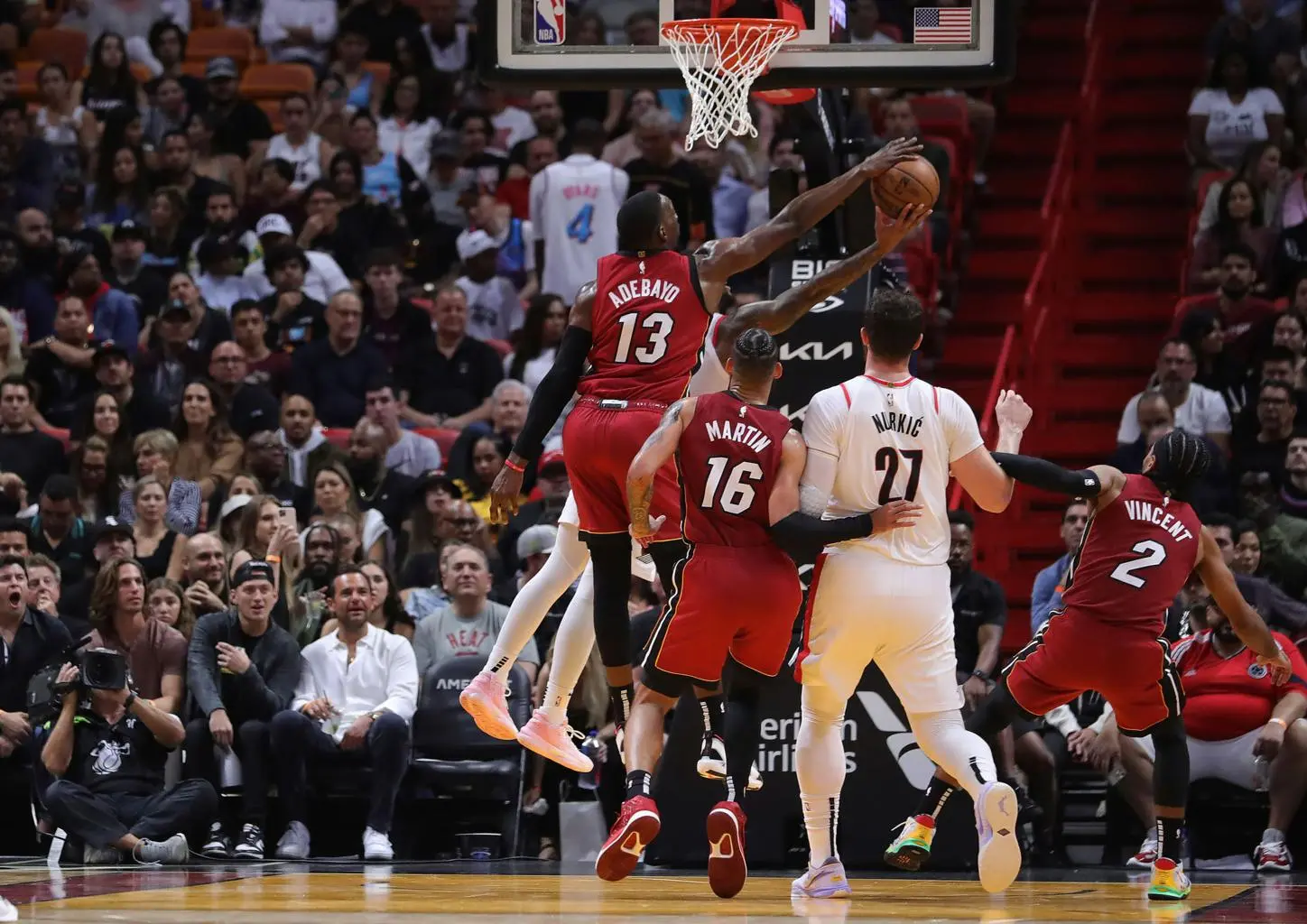
Adebayo’s defensive versatility is extraordinary.
Traditional centers typically protect the rim while avoiding perimeter assignments.
Adebayo breaks that model entirely.
He regularly switches onto guards, wings, and centers — a capability few big men in league history have possessed.
This flexibility allows the Miami Heat to deploy aggressive defensive schemes built around switching, trapping, and rapid rotation.
In essence, Adebayo acts as the central processor of Miami’s defense.
If he moves, the entire system adjusts.
If he rotates late, the system collapses.
This level of responsibility is rarely visible in box scores.
But inside coaching circles, it is widely understood.
Adebayo is not merely a defender.
He is the defensive infrastructure.
Leadership and Cultural Stability
Leadership in professional sports is often misunderstood.
Some players lead through emotion.
Others lead through example.
Inside the Miami Heat organization, Adebayo’s leadership style has become foundational.
When franchise icon Dwyane Wade retired, the team faced a cultural transition.
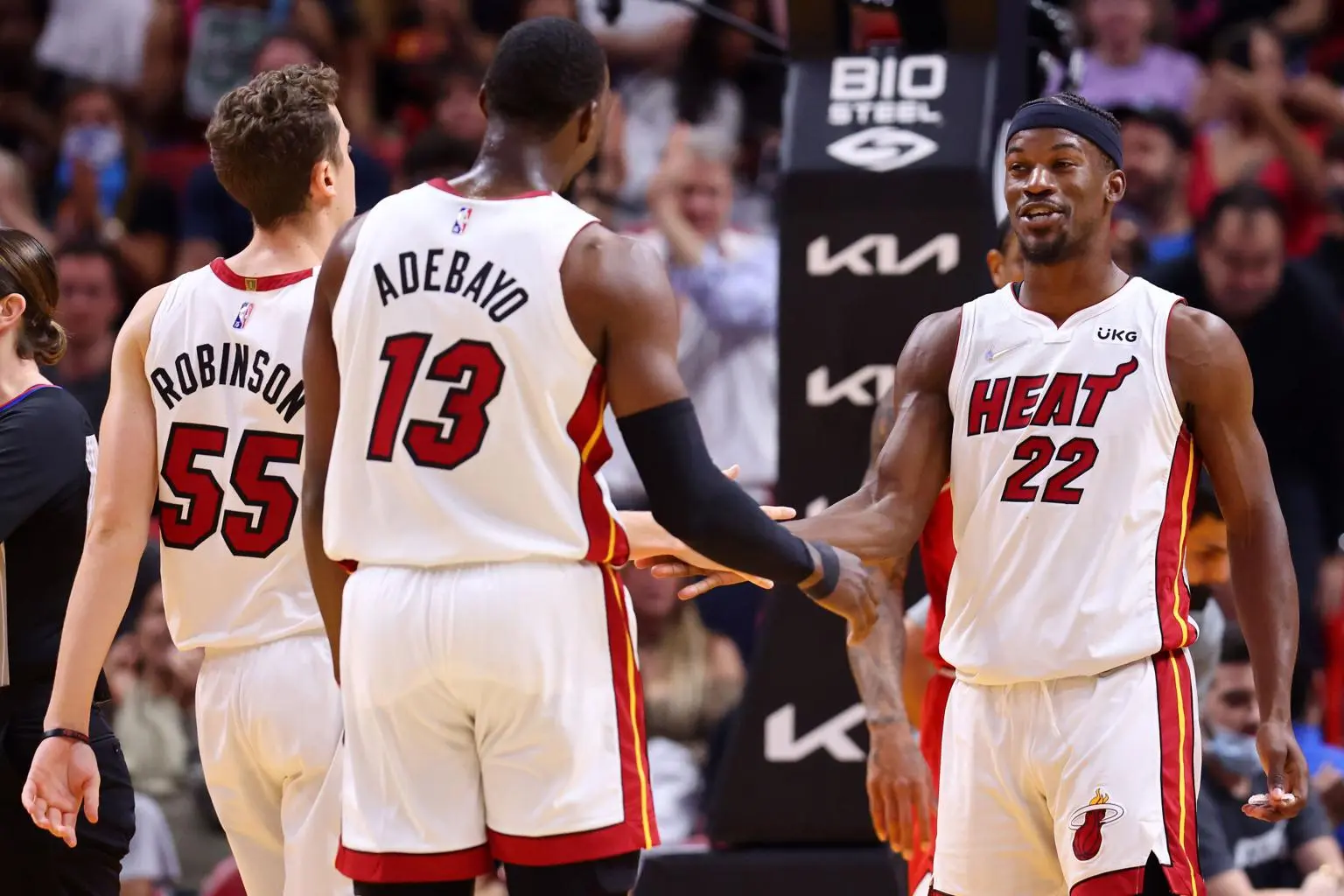
Another superstar would soon emerge as the emotional leader: Jimmy Butler.
But Butler’s intensity required balance.
Adebayo became that stabilizing force.
Coaches frequently describe him as the internal regulator of the team’s discipline.
He communicates defensive assignments.
He holds teammates accountable.
He sets the tone for practice intensity.
In many ways, the Heat operate with a dual leadership system.
Butler provides competitive fire.
Adebayo maintains structural stability.
Franchise Economics
The NBA is not only a sporting league.
It is also a financial ecosystem governed by the salary cap.
Teams must strategically allocate resources to maximize championship probability.
When Adebayo signed his five-year maximum contract extension, the message from Miami was clear.
He was not simply a supporting player.
He was a franchise pillar.
But this decision reflects a broader league-wide shift.
Historically, teams invested maximum contracts primarily in offensive superstars.
Now franchises are increasingly paying for defensive versatility.
This raises a critical strategic question:
Can a defense-first star justify the same financial investment as a scoring superstar?
The answer may define the future of roster construction.
Red Flag Signals
When analyzing the strategic model built around defensive anchors, several warning signals emerge:
• Offensive pressure shifts heavily onto perimeter scorers
• Defensive stars absorb extreme physical workload
• Media narratives undervalue defensive contributions
• Fan expectations often prioritize scoring production
• Salary cap limitations restrict roster flexibility
These signals do not diminish Adebayo’s value.
But they highlight the structural pressures facing players in his role.
Global Impact Analysis
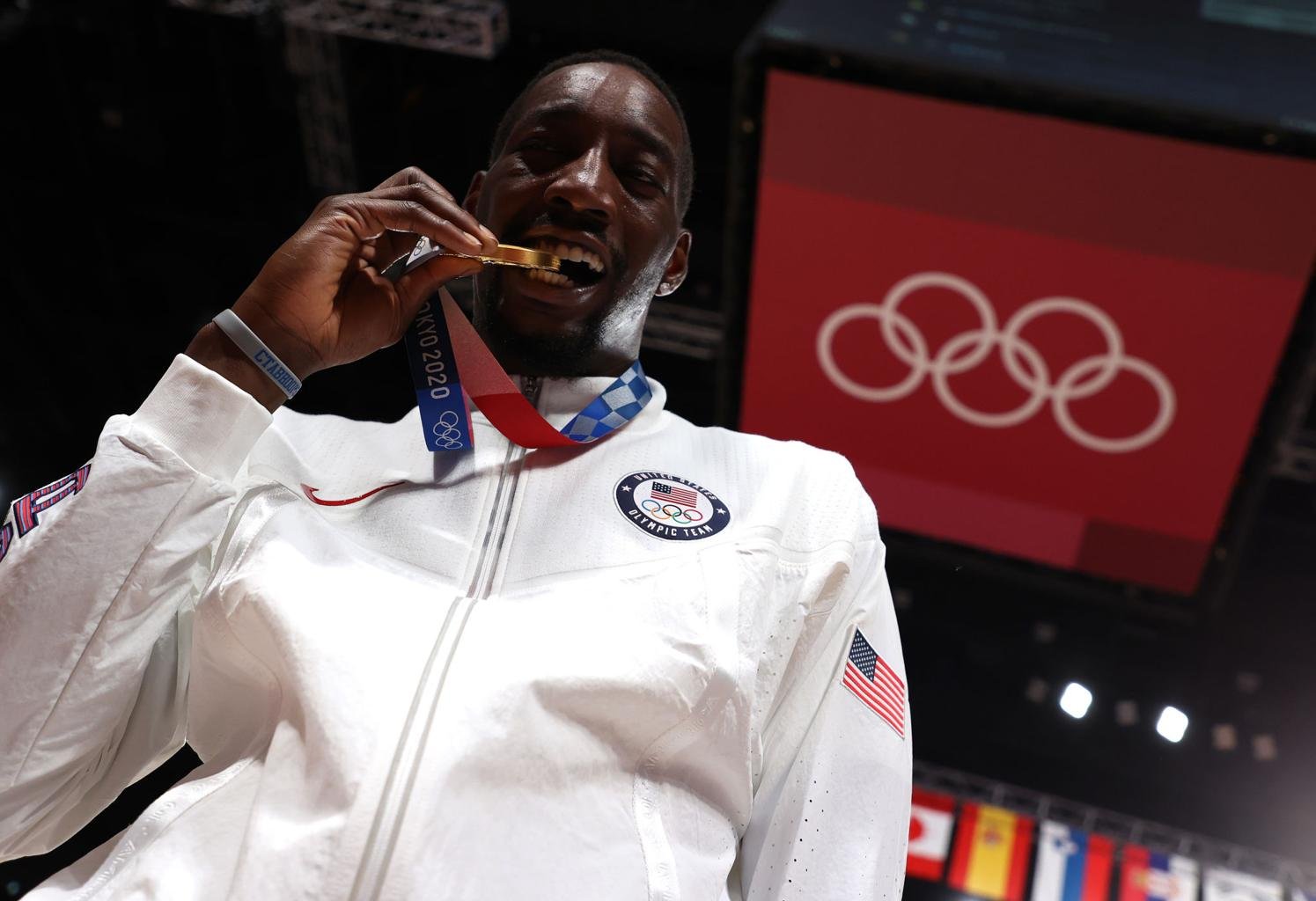
Adebayo’s influence extends beyond Miami.
Across the NBA, teams are studying the success of positionless defense.
The modern offensive revolution — built on three-point shooting and spacing — forced defenses to evolve.
Players who cannot switch defensively are increasingly targeted.
Adebayo represents the counter-strategy.
A mobile center capable of neutralizing multiple offensive threats.
International basketball has embraced this philosophy as well.
National teams now prioritize defensive versatility and conditioning.
The traditional positional model of basketball is fading.
A new archetype is emerging.
And Adebayo sits near its center.
Strategic Intelligence Insights
Analyzing Adebayo’s career reveals several broader insights about the NBA.
First, defensive intelligence is becoming a measurable strategic asset.
Advanced analytics now track defensive field-goal percentage, switching efficiency, and lineup impact.
Second, cultural anchors may be more valuable than statistical superstars.
Players who stabilize locker rooms and defensive systems can elevate entire franchises.
Third, the media ecosystem still struggles to quantify defense.
Scoring remains the dominant narrative driver.
This imbalance creates a paradox.
Players essential to winning often receive less recognition than those generating highlight-reel offense.
Data & Evidence
Several statistical indicators reinforce Adebayo’s elite impact.
Over multiple seasons, he has ranked among the league’s top centers in defensive metrics.
Key indicators include:
• Defensive win shares
• Defensive box plus-minus
• Opponent field-goal percentage at the rim
• Switch success rate against guards
Additionally, the Miami Heat’s defensive efficiency consistently improves when Adebayo is on the floor.
Coaches frequently describe him as a “defensive quarterback.”
He reads offenses in real time and communicates adjustments to teammates.
Few players combine physical skill with that level of tactical awareness.
Future Outlook
Looking forward, Bam Adebayo’s career trajectory raises several questions for the league.
Will defensive versatility become the defining skill of the next generation of centers?
Can teams built around defense consistently win championships in an offense-dominated era?
And how will analytics reshape the recognition of defensive stars?
If current trends continue, the NBA may soon experience a recalibration.
Defense — once considered secondary to scoring — may become the strategic foundation of elite teams.
In that future, players like Adebayo will no longer be undervalued.
They will be essential.
Constructive Solutions
For franchises, analysts, and fans seeking to understand the evolving NBA landscape, several lessons emerge.
1. Invest in defensive versatility early in the draft.
Modern offenses require defenders capable of guarding multiple positions.
2. Expand defensive analytics.
Teams must continue developing metrics that quantify off-ball defense and communication.
3. Reward leadership roles.
Cultural anchors should be recognized as strategic assets.
4. Educate fans about defensive impact.
Greater public understanding can reshape narratives around player value.
5. Build roster balance.
Championship teams require both offensive creativity and defensive stability.
Ignoring either element creates competitive vulnerability.
Pull Quote
“Bam Adebayo represents the quiet evolution of the NBA — where defense, leadership, and culture are becoming the true currency of championship basketball.”
Community Poll Question
Do you believe defensive superstars receive the recognition they deserve in NBA media coverage?
Empowering Conclusion
In an era dominated by scoring highlights and viral moments, Bam Adebayo represents a different kind of greatness.
His impact does not always appear on scoring leaderboards.
It appears in defensive rotations.
In communication.
In leadership.
In the cultural stability of an organization.
The Miami Heat did not simply draft a talented athlete.
They discovered a structural pillar.
As the NBA continues evolving, the importance of players like Adebayo will only grow.
Because championships are rarely won by highlight plays alone.
They are built on discipline, intelligence, and the invisible architecture of defense.
And few players embody that architecture more completely than Bam Adebayo.

Commentaires
Laisser un commentaire